When shopping for tires, many drivers face the same dilemma: should they spend extra on premium brands, or choose a more affordable option? Tires are essential for safety and performance, yet they’re also a major expense. The idea of buying “budget-friendly” tires often comes with skepticism—are cheaper models cutting corners, or can they genuinely deliver the quality you need?
Ohtsu Tires, a Japanese brand under Sumitomo Rubber Industries, is one of the strongest examples of how budget-friendly tires can still provide reliability, durability, and comfort. In this article, we’ll explore the advantages and drawbacks of affordable tires, compare Ohtsu with premium competitors, and help you decide if choosing Ohtsu makes sense for your vehicle and driving style.
The Common Concerns About Budget Tires
When people hear the word budget, they often think of poor quality or unsafe products. With tires, that skepticism is understandable—your tires are the only thing between your car and the road.
Typical concerns about budget-friendly tires include:
- Shorter lifespan — wearing out faster than premium options.
- Lower performance — especially in wet conditions or during high-speed driving.
- Less comfort — more road noise and vibrations.
- Limited warranties — not as generous as premium brands.
While some low-cost brands confirm these stereotypes, others—like Ohtsu—manage to balance affordability with solid engineering.
Why Ohtsu Is Different
Ohtsu isn’t just another generic tire brand. It’s owned by Sumitomo Rubber Industries, the same company that produces Falken Tires. That connection means Ohtsu benefits from proven research, technology, and quality control.
Where Ohtsu differs is in focus:
- Fewer models and less marketing hype.
- Streamlined designs that prioritize the most popular sizes.
- Lower price points without cutting critical safety features.
Instead of chasing every market segment, Ohtsu sticks to core products that everyday drivers actually use.
Comparing Ohtsu with Premium Brands
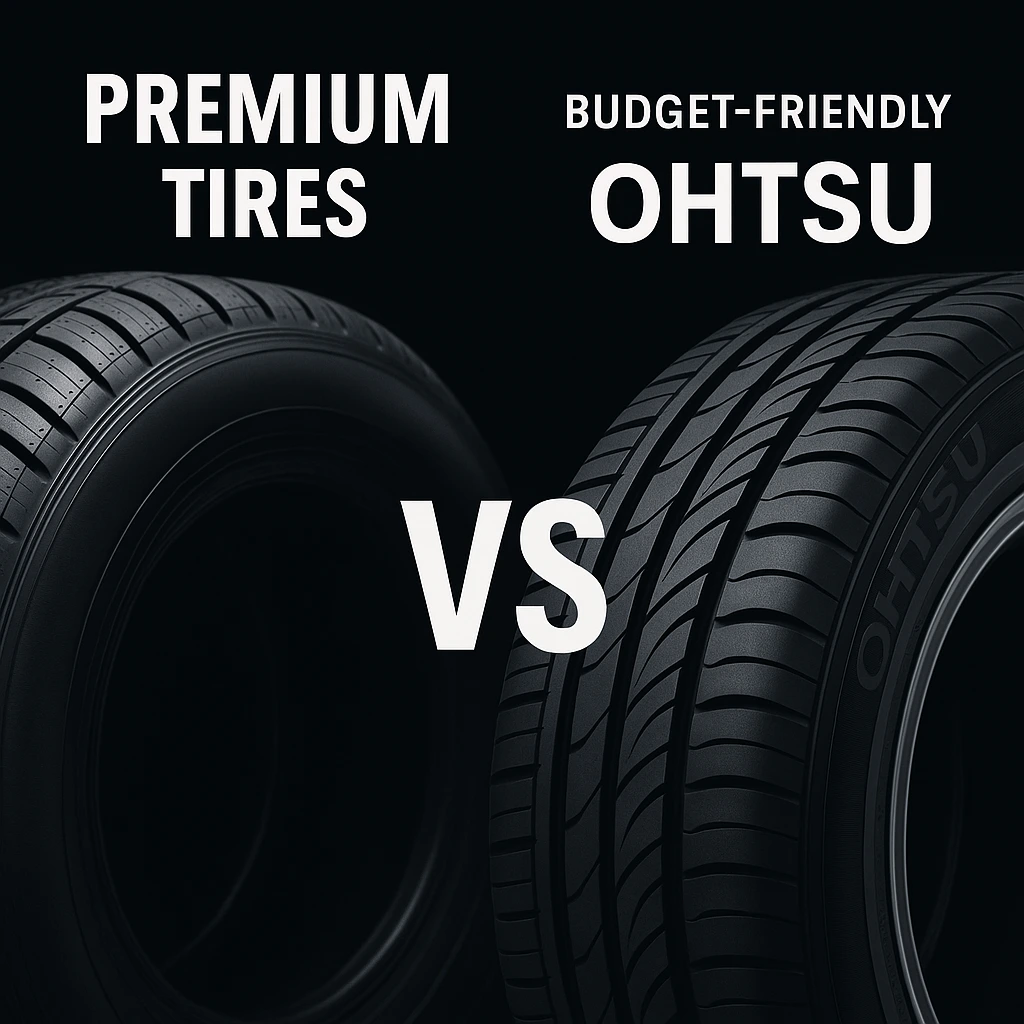
Premium brands like Michelin, Continental, or Bridgestone have undeniable strengths: cutting-edge technology, extensive R&D, and wide product lines. But those strengths come at a cost—literally.
Let’s compare:
| Feature | Premium Brands | Ohtsu Tires |
|---|---|---|
| Price Range (per tire) | $180–$300+ | $80–$150 |
| Warranty Coverage | Often 50,000–70,000 miles | Typically 40,000–50,000 miles |
| Performance Options | Extensive (winter, summer, touring, UHP) | Focused lineup (touring, UHP, all-terrain) |
| Durability | Long lifespan with top compounds | Solid lifespan, slightly shorter |
| Comfort | Excellent noise reduction, smooth ride | Good comfort, competitive in category |
| Safety | Top-rated across all tests | Reliable in everyday driving |
For most daily drivers, the difference between a $300 Michelin and a $120 Ohtsu isn’t as noticeable as you might think.
Popular Ohtsu Budget-Friendly Models
FP7000 – The Practical Choice
- Category: All-season touring tire
- Best For: Commuters, sedans, family cars
- Why It’s Worth It: Smooth, quiet, dependable, and affordable.
FP8000 – Performance on a Budget
- Category: Summer ultra-high-performance tire
- Best For: Sport sedans, coupes, enthusiasts
- Why It’s Worth It: Sharp handling and grip without the premium UHP price tag.
ST5000 – SUV and Crossover Value
- Category: All-season SUV/crossover tire
- Best For: Larger vehicles, family haulers
- Why It’s Worth It: Sturdy, comfortable, and reliable for heavy use.
AT4000 – Affordable All-Terrain
- Category: All-terrain all-season tire
- Best For: Weekend adventurers, trucks, light off-road
- Why It’s Worth It: Aggressive tread, dependable traction, wallet-friendly.
Who Should Buy Ohtsu?
Budget-friendly doesn’t mean one-size-fits-all. Ohtsu tires are a smart choice for:
- Everyday commuters who need safe and dependable tires at a fair price.
- Families with SUVs or crossovers looking to save without compromising safety.
- Enthusiasts on a budget who want performance tires without overspending.
- Drivers in mild climates where extreme winter or summer conditions aren’t common.
Who Shouldn’t Buy Ohtsu?
While Ohtsu covers most everyday needs, they aren’t the right choice for everyone. You may want to look at premium brands if you:
- Drive in extreme winter conditions and need dedicated snow tires.
- Demand the longest possible tread life (70,000+ miles).
- Want advanced features like run-flat or eco-focused ultra-low-rolling-resistance tires.
Real-World Reviews
Owners of Ohtsu tires often highlight the following in reviews:
- “Surprisingly quiet for the price.”
- “Great grip in the rain—better than I expected.”
- “They wore a little faster than my previous Michelins, but for half the price, I can’t complain.”
- “Perfect for my daily commute. Saved me money and still feel safe.”
This feedback reinforces Ohtsu’s position as a practical, budget-friendly brand rather than a luxury or specialized product.
The Smart Way to Think About Tires
Instead of thinking in extremes—premium versus cheap—it’s better to ask: What does my driving style really demand?
- If you mostly drive short distances around town, a dependable Ohtsu touring tire will serve you just fine.
- If you love spirited driving but don’t want to overspend, the FP8000 gives you performance at an accessible price.
- If you travel across highways daily with a heavy SUV, the ST5000 balances comfort and cost.
The smartest tire purchase isn’t always the most expensive—it’s the one that fits your life.
Conclusion
So, are budget-friendly tires worth it? In the case of Ohtsu, the answer is yes. Backed by Sumitomo’s expertise and Falken’s technology, Ohtsu tires deliver reliability and comfort at a fraction of the cost of premium brands.
They may not have the longest warranties or the flashiest marketing campaigns, but for the average driver, they offer everything that matters: safety, comfort, and value.
If you’re looking for a way to save money on your next set of tires without sacrificing peace of mind, Ohtsu is a brand worth considering.